Introduction
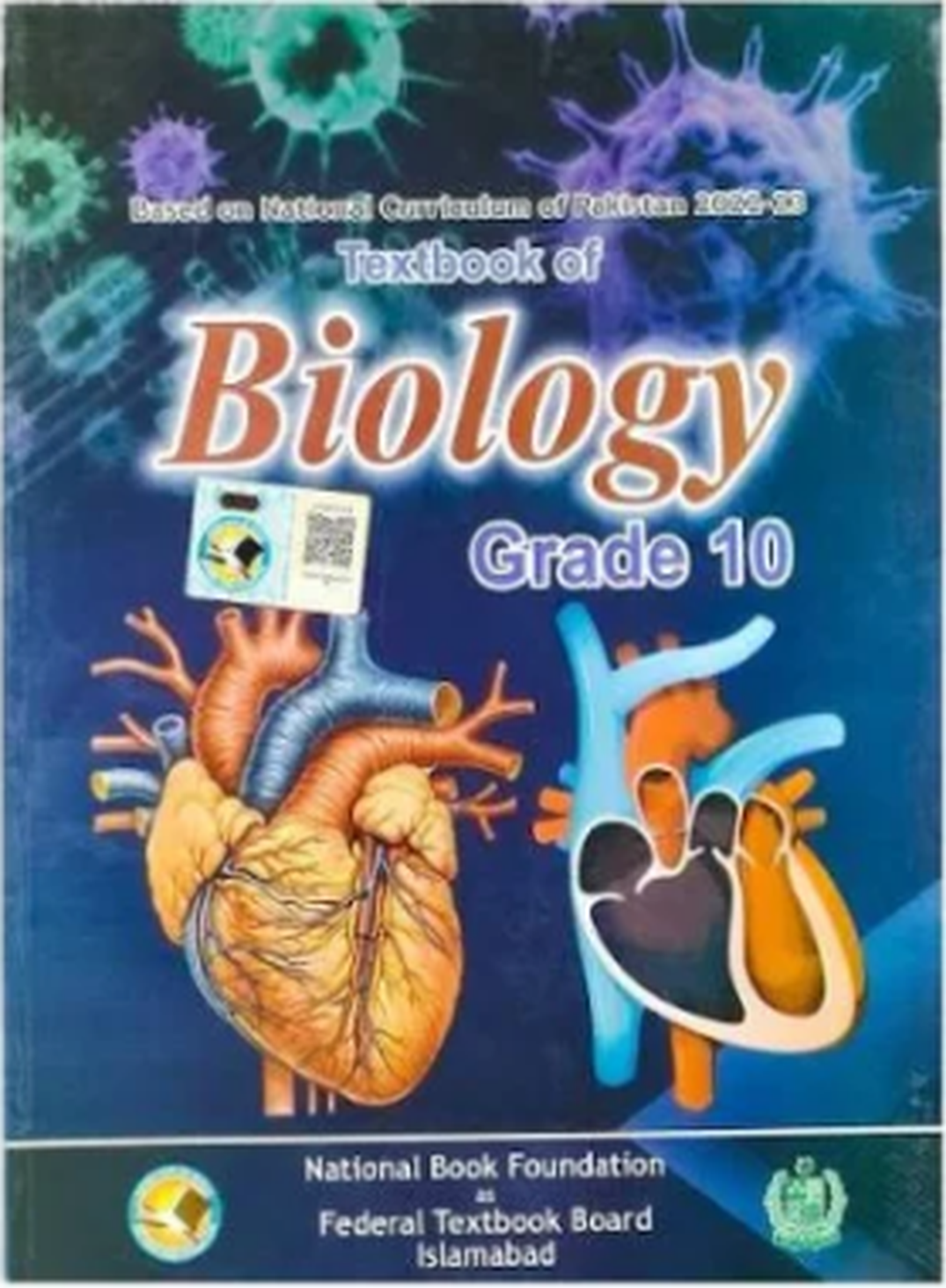
Students from FBISE stream get free complete, solved MCQs, short, and long questions for Class 10 Biology are now available on HSA Notes, starting with a full breakdown of Chapter 1, aimed at helping FBISE Matric students score 90 plus marks. This page covers all eleven chapters of the NBF Biology syllabus, along with a preview of the solved key questions available for Chapter 1.
All Chapters
| No. | Chapter | Status |
|---|---|---|
| 1 | Digestive System | Coming Soon |
| 2 | Circulatory System | Coming Soon |
| 3 | Respiratory System | Coming Soon |
| 4 | Urinary System | Coming Soon |
| 5 | Nervous System | Coming Soon |
| 6 | Reproduction | Coming Soon |
| 7 | Inheritance | Coming Soon |
| 8 | Diseases | Coming Soon |
| 9 | Immunity | Coming Soon |
| 10 | Biotechnology | Coming Soon |
| 11 | Biostatistics and Data Analysis | Coming Soon |
Official Youtube Channel: www.youtube.com/@FBISEOfficial
What Each Chapter Covers
Chapter 1, Digestive System
Explores the human digestive system, covering the alimentary canal, associated organs such as the liver and pancreas, swallowing, peristalsis, chemical digestion, and common disorders like ulcers and diarrhea. It also explains how food is digested, absorbed, and utilized by the body for energy, growth, and repair.
Chapter 2, Circulatory System
Studies the components of blood, heart chambers and valves, double circulatory pathways, transportation of materials, cardiovascular diseases, and the harmful effects of smoking on the heart. It explains how the circulatory system transports oxygen, nutrients, hormones, and waste products throughout the body.
Chapter 3, Respiratory System
Covers the human air passageway and lungs, the mechanism of breathing, the composition of inspired and expired air, and respiratory diseases such as asthma, pneumonia, emphysema, and lung cancer. It also explains how gaseous exchange and cellular respiration provide cells with the oxygen needed for energy production.
Chapter 4, Urinary System
Covers the human urinary system, kidney structure and function, nephron processes, osmoregulation, and urinary disorders including kidney stones, kidney failure, dialysis, and kidney transplant. It explains how the kidneys remove metabolic wastes and maintain the body’s water and salt balance.
Chapter 5, Nervous System
Studies coordination in humans, including the brain, spinal cord, neuron structure and types, nerve impulses, synapses, reflex actions, and the endocrine system with its major glands. It explains how nervous and hormonal coordination enables the body to respond to internal and external changes.
Chapter 6, Reproduction
Examines animal reproduction mechanisms, covering asexual versus sexual reproduction, gametogenesis, fertilization, rabbit reproductive systems, human sex determination, and the role of sex hormones. It explains how reproduction ensures the continuation of species and introduces the biological processes involved in producing offspring.
Chapter 7, Inheritance
Studies chromosome structure, genes and alleles, genotypes and phenotypes, Mendelian laws including monohybrid and dihybrid crosses, and genetic inheritance patterns. It explains how characteristics are transmitted from parents to offspring and how genetic variation can occur.
Chapter 8, Diseases
Differentiates between infectious, zoonotic, vector-borne, and non-infectious diseases, covering COVID-19, AIDS, diabetes, plant diseases in Pakistan, and antibiotics. It also highlights the causes, transmission, prevention, and control of diseases affecting humans, animals, and plants.
Chapter 9, Immunity
Explores the human immune system, including organs such as the bone marrow, spleen, and thymus, innate and adaptive immunity, lines of defense, vaccine types, and the causes of allergies. It explains how the body recognizes harmful agents and develops defenses to protect itself from infections.
Chapter 10, Biotechnology
Introduces biotechnology and its applications in agriculture through GM crops, medicine through insulin and cancer therapy, genetic editing through CRISPR, marine biology, bioremediation, and industrial microbiology. It demonstrates how biological knowledge and modern technology are combined to develop useful products and solve real-world problems.
Chapter 11, Biostatistics and Data Analysis
Covers the core concepts of biostatistics, calculation of mean, median, and mode, and graphical presentation of biological data using simple bar charts. It helps students understand how biological information can be organized, analyzed, interpreted, and presented using basic statistical methods.
HSA Notes Features
- All MCQs from Exercise 1.1 fully solved.
- Short and long response questions answered in full.
- Functions of organs and enzymes explained clearly.
- Villus diagram and structure covered in detail.
- Fully updated for the new NBF syllabus 2025 to 2026.
Trusted Across Leading Schools
These notes are used by students at FBISE and its affiliated schools, along with top institutions including Beaconhouse, Roots, Lahore Grammar School, Aitchison, Froebel’s, Army Public School, St Patrick’s, The City School, Karachi Grammar School, and Fazaia.
Solved Key Questions, Chapter 1 Preview
- What is responsible for the emulsification of fat? Answer B, bile.
- What is the enzyme, substrate, and pH found in the stomach? Answer C, protease, protein, low pH.
- Where is bile formed? Answer A, the liver.
- Where is glycogen stored? Answer C, the liver.
- What is the common passage shared between the digestive and respiratory systems? Answer A, the pharynx.
View the full PDF for complete diagrams and tables, including the villus structure and full alimentary canal breakdown.
Why This Resource Helps
Biology at the Class 10 level covers eleven chapters that move through the body system by system, from digestion and circulation through to immunity, before closing with genetics, biotechnology, and data analysis. Having Chapter 1 fully solved, with every MCQ, short question, and long question worked through in detail, along with diagrams like the villus structure, gives students a reliable model for how to approach the remaining ten chapters as they are added.
Join Online Classes
Join online classes for full guidance and practice across every chapter of the Class 10 Biology syllabus.
Contact: hsanotes48@gmail.com
Frequently Asked Questions
How many chapters are in the Class 10 Biology NBF syllabus? There are eleven chapters in total, ranging from the Digestive System through to Biostatistics and Data Analysis.
Which chapter is fully solved right now? Chapter 1, Digestive System, including Exercise 1.1 MCQs and short and long response questions, is currently available in full.
What topics does Chapter 1 cover? Chapter 1 covers the alimentary canal, associated organs such as the liver and pancreas, swallowing, peristalsis, chemical digestion, and common digestive disorders like ulcers and diarrhea.
Are these notes based on the current FBISE syllabus? Yes, these notes are fully updated for the new NBF syllabus for the 2025 to 2026 session.
Conclusion
With all eleven chapters of the Class 10 Biology NBF syllabus mapped out, and Chapter 1 already fully solved with MCQs and short and long questions, students have a clear starting point for their FBISE Matric preparation. Remaining chapters are being added progressively, so check back regularly as more units become available.
Best of luck for your Class 10 Biology exam!