How to use this study guide
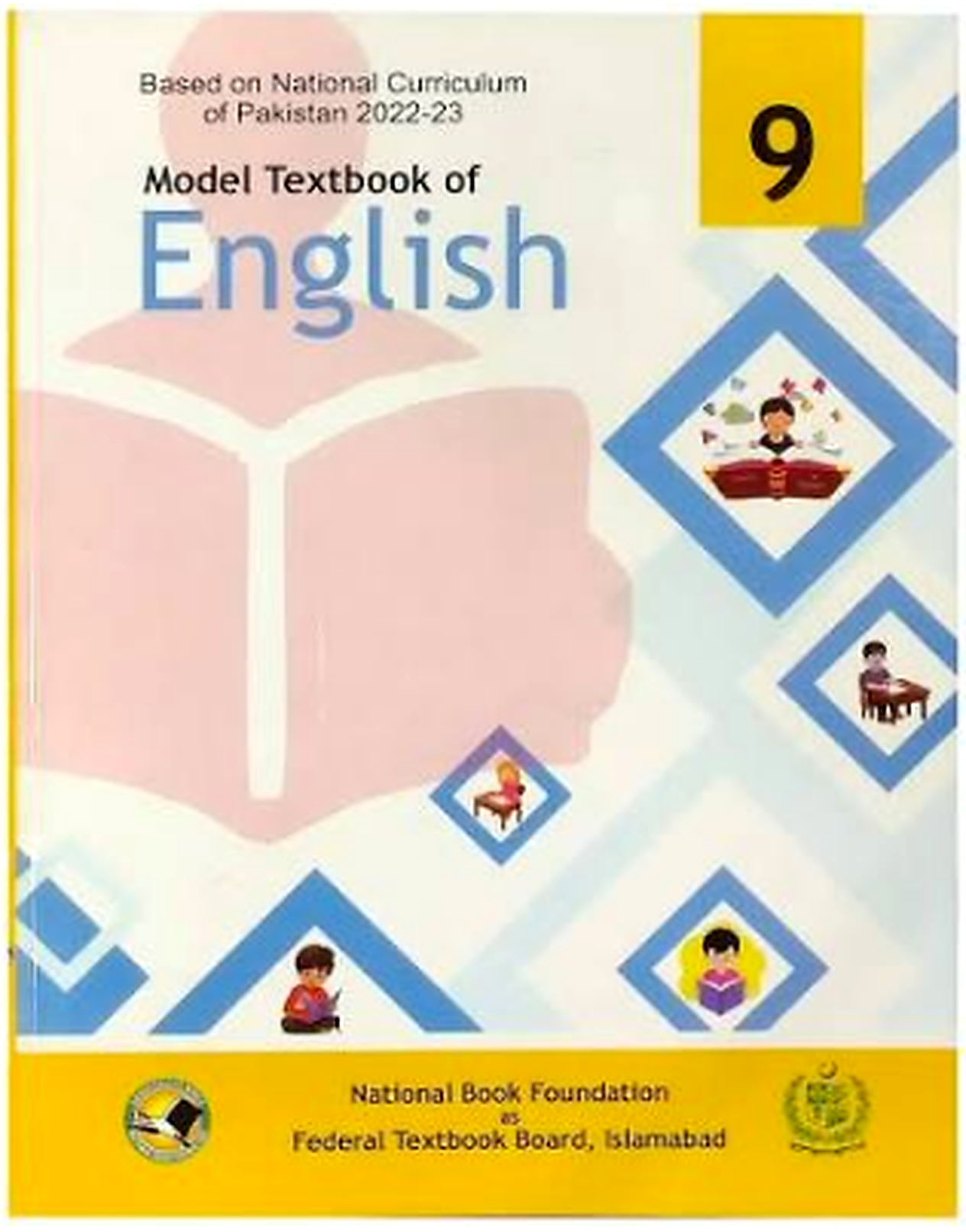
This page provides a reading and language practice plan for Class 9 English students using the NBF book for FBISE. It is a study guide, rather than a complete set of solved textbook exercises. Use your textbook alongside the original practice examples below. Separate unit solutions and a complete notes PDF are not available on this page.
| No. | Unit | Study task |
|---|---|---|
| 1 | Hazrat Muhammad PBUH, The Role Model | Read the unit and practise its vocabulary |
| 2 | Muslim Women’s Entrepreneurship | Read the unit and practise its vocabulary |
| 3 | Digital Globalization | Read the unit and practise its vocabulary |
| 4 | The Brooklyn Bridge | Read the unit and practise its vocabulary |
| 5 | Lessons for Success | Read the unit and practise its vocabulary |
| 6 | Say No to Drugs | Read the unit and practise its vocabulary |
| 7 | Mowing, by Robert Frost | Read the unit and practise its vocabulary |
| 8 | The Eagle, by Alfred Tennyson | Read the unit and practise its vocabulary |
| 9 | Travel and Tourism in Pakistan | Read the unit and practise its vocabulary |
| 10 | Two Mothers Remembered | Read the unit and practise its vocabulary |
| 11 | The Metamorphosis | Read the unit and practise its vocabulary |
| 12 | Good Health and Well Being | Read the unit and practise its vocabulary |
Read a prose lesson in three steps
First, read the lesson once to understand its main idea. Write one sentence explaining what the passage is about. Next, read it again and underline unfamiliar words. Guess each meaning from the surrounding sentence before checking a dictionary. Finally, answer a question in your own words and identify the sentence in the lesson that supports your answer.
A summary should explain the central ideas briefly. Avoid copying every detail or adding an opinion that the passage does not express. For a story, note the characters, the problem, the important events and the outcome. For an informational passage, identify the topic and the reasons or examples used to explain it.
Original comprehension practice
Read this practice passage: Sana noticed that her classmates often forgot their library books. She suggested keeping a reminder chart beside the classroom door. Each student checked the chart before leaving. After two weeks, more books were returned on time. The class learned that a small, regular habit could solve a shared problem.
Question 1: What problem did Sana notice?
Her classmates often forgot their library books.
Question 2: Why was the chart placed beside the door?
Students could see it before leaving and remember to return their books.
Question 3: What is the main lesson?
A simple habit followed regularly can help people solve a problem.
Vocabulary: In this passage, “suggested” means proposed an idea, and “shared” means involving more than one person.
Grammar practice with explanations
Subject and verb agreement: “She reads every evening” uses “reads” because the subject is singular. “They read every evening” uses “read” because the subject is plural. Complete: “My brother ___ English daily.” Answer: “studies”.
Tenses: “I practise daily” describes a habit. “I practised yesterday” describes a completed past action. “I am practising now” describes an action happening at this moment. Choose the tense from the meaning of the sentence, rather than changing the verb at random.
Punctuation: Rewrite “sana asked where is my book” as: Sana asked, “Where is my book?” A sentence begins with a capital letter, a name takes a capital letter, and a direct question ends with a question mark.
Poetry and writing practice
When reading a poem, identify the speaker and the scene before explaining the central idea. A simile makes a comparison using “like” or “as”; a metaphor makes a comparison directly. For example, “The classroom was a beehive” is a metaphor suggesting busy activity. Explain what an image communicates instead of only naming the poetic device.
Write a paragraph of six to eight sentences about a useful habit. Begin with a topic sentence, give two examples, explain their benefits and finish with a closing sentence. Check spelling, verb agreement and punctuation. Keep each sentence connected to the topic.
A practical revision routine
Spend ten minutes reading, ten minutes answering questions and ten minutes practising grammar or writing. Keep a notebook of corrected mistakes and revise it each week. These tasks are practice suggestions, not predictions of examination questions. Check the official FBISE syllabus and assessment guidance for your examination session.
For corrections or questions about available resources, contact hsanotes48@gmail.com.