
Introduction
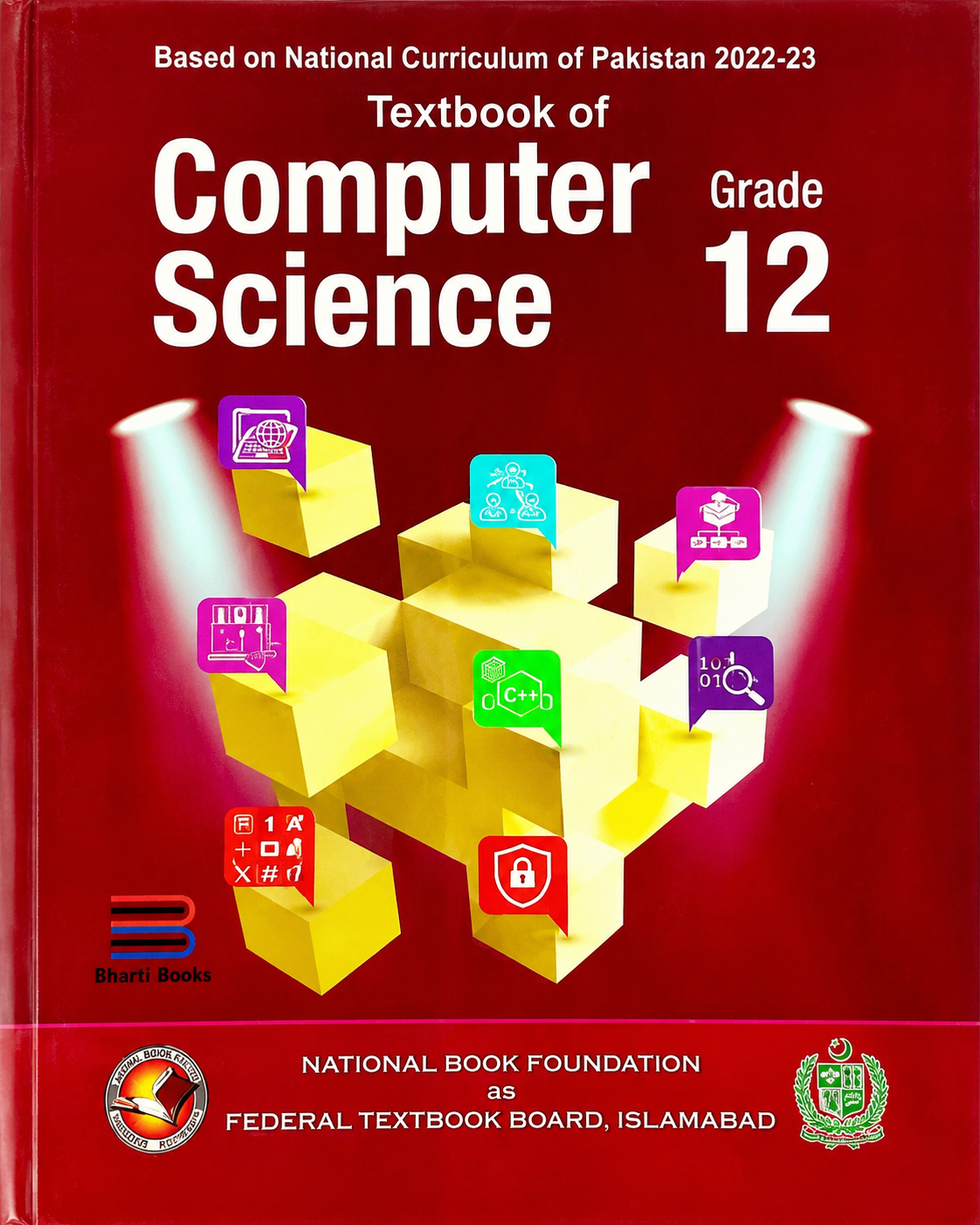
The Class 12 Computer Science sample papers are designed according to the latest syllabus of the National Book Foundation and the official examination pattern of the Federal Board of Intermediate and Secondary Education. These sample papers help students understand the exact exam structure, improve problem-solving skills, and prepare effectively for board examinations.
Computer Science is a subject that combines theory with practical problem-solving. It focuses on programming, algorithms, data handling, and modern digital technologies. Sample papers play a key role in preparation because they provide real exam-style practice and help students manage time effectively during exams.
Class 12 Computer Science Paper Pattern (Updated Structure)
The paper is divided into three main sections: Section A (MCQs), Section B (Short Response Questions), and Section C (Extended Response Questions). Each section is designed to test different levels of understanding including memory, concepts, and application.
Section A: Multiple Choice Questions (MCQs)
Total Marks: 13
Number of Questions: 13
Marks per Question: 1
Attempt: All Questions (Compulsory)
Section A consists of 13 MCQs. Each question carries 1 mark, making a total of 13 marks. All MCQs are compulsory, so students must attempt every question.
Nature of MCQs
MCQs are designed to test basic understanding of key concepts such as definitions, formulas, logic, and fundamental programming knowledge. They are taken from all units of the syllabus.
Key Topics Covered in MCQs
- Computer system components
- CPU and memory functions
- Algorithms and flowcharts
- Programming basics (variables, loops, conditions)
- Data representation
- Internet and digital literacy
- Ethical and social issues in computing
Preparation Strategy
Students should revise all definitions, formulas, and key concepts. Regular MCQs practice is essential for scoring full marks in this section because questions are direct and concept-based.
Section B: Short Response Questions (SRQs)
Total Marks: 42
Number of Questions: 14
Marks per Question: 3
Attempt: Any 11 Questions
Section B is the most important part of the paper because it carries the highest marks. It includes 14 short questions, but students are required to attempt only 11.
Nature of Short Questions
These questions are designed to test conceptual understanding and short explanations. Answers should be precise, structured, and focused on key points.
Types of Questions in Section B
- Definitions and explanations
- Short programming logic
- Flowchart or algorithm-based questions
- Data analysis and interpretation
- Short notes on digital literacy and impacts of computing
Key Units Covered
- Computer Systems
- Programming Fundamentals
- Algorithms and Computational Thinking
- Data and Analysis
- Applications of Computer Science
- Digital Literacy
- Impacts of Computing
- Entrepreneurship in Digital Age
Answer Writing Technique
Students should write answers in bullet points or short paragraphs. Each answer should include keywords and avoid unnecessary detail. Diagrams or examples should be added where required.
Importance of Section B
This section helps students score maximum marks if they prepare well. Most students lose marks due to incomplete answers, so proper practice is essential.
Section C: Extended Response Questions (ERQs)
Total Marks: 20
Number of Questions: 4
Marks per Question: 5
Attempt: Any 3 Questions
Section C contains 4 long questions, and students must attempt any 3. Each question carries 5 marks.
Nature of Long Questions
This section tests deep understanding, logical reasoning, and application of concepts. Answers are more detailed compared to short questions and often include explanations, steps, or programming logic.
Types of Questions in Section C
- Programming-based questions (loops, conditions, arrays)
- Algorithm writing or flowchart design
- Detailed explanations of computer systems or networking
- Conceptual questions on digital literacy and ethics
- Data analysis problems
Key Focus Areas
- Programming Fundamentals
- Algorithms and problem-solving
- Applications of Computer Science
- Impacts of Computing
- Digital Literacy concepts
Answer Writing Technique
Students must write structured answers with headings, steps, and examples. Programming answers should include proper syntax logic and explanation of each step.
Important Topics for Exam Preparation
To perform well in Computer Science exams, students should focus on the following important areas:
Computer Systems
Understanding CPU, memory, input/output devices, and system architecture.
Programming Fundamentals
Writing and understanding programs using variables, loops, and conditions.
Algorithms
Step-by-step problem-solving methods using flowcharts and pseudocode.
Data and Analysis
Understanding data types, charts, and basic statistical interpretation.
Applications of Computing
Real-life applications like databases, AI, and software systems.
Digital Literacy
Safe use of internet, cybersecurity, and responsible digital behavior. Digital literacy means the ability to use computers, internet, and digital tools safely, effectively, responsibly for communication, learning, and information.
Impacts of Computing
Social, ethical, and security-related issues in technology use.
Entrepreneurship in Digital Age
Online business models, freelancing, and e-commerce concepts.
Exam Preparation Strategy
To score high marks in Computer Science, students should follow a proper preparation strategy:
- Revise all units regularly
- Practice MCQs daily
- Write short answers in point form
- Learn programming logic step by step
- Practice past paper questions
- Focus on weak areas
- Manage time during exams
Importance of Sample Papers
Sample papers are very important for final exam preparation because they:
- Provide real exam experience
- Improve time management skills
- Help identify important topics
- Strengthen conceptual understanding
- Increase speed and accuracy in answers
- Reduce exam stress and confusion
Role of Computer Science in Modern Education
Computer Science is one of the most important subjects in modern education. It is widely used in almost every field such as medicine, engineering, business, communication, and education. Learning Computer Science helps students develop problem-solving skills and prepares them for future careers in IT, software development, cybersecurity, and artificial intelligence.
HSA Notes Preparation Support
HSA Notes provides complete preparation material for Class 12 Computer Science students, including:
- Detailed notes for all units
- Programming examples
- MCQs practice tests
- Short and long questions
- Sample papers and guess papers
- PDF revision notes
- Exam-focused preparation material
All content is designed according to FBISE examination standards.
Contact HSA Notes
For Computer Science notes, sample papers, and PDF study material:
Email: hsanotes48@gmail.com
Conclusion
Class 12 Computer Science sample papers 2026 are designed to match the updated NBF and FBISE pattern. With proper preparation of MCQs, short questions, and long questions, students can achieve excellent marks in board exams. Regular practice of sample papers is the key to success in Computer Science.

1 thought on “FBISE 12 CS New Book Sample Paper”