
Introduction
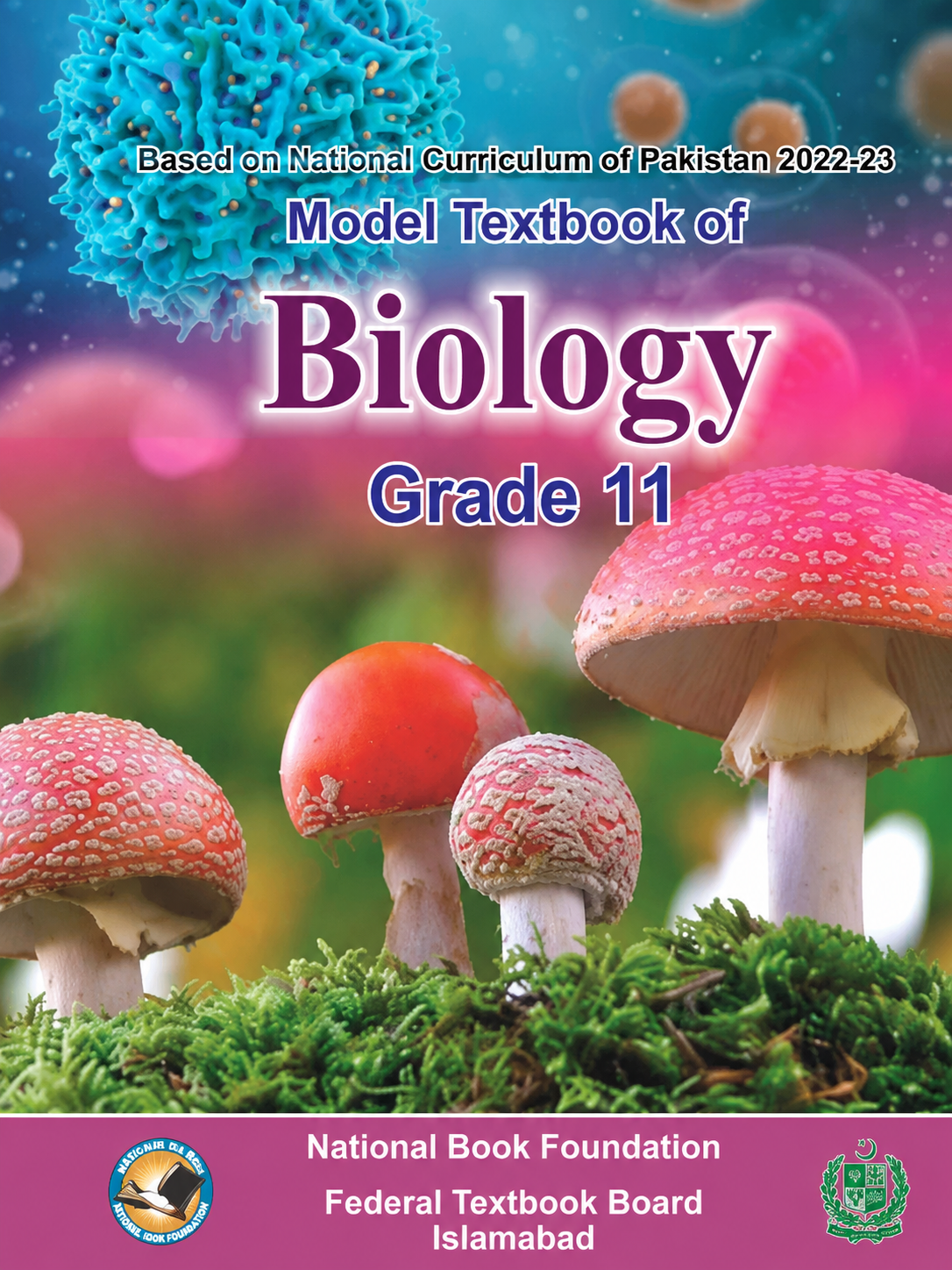
Class 11 Biology is one of the most important subjects for Pre-Medical students. It is based on the latest syllabus of the National Book Foundation and follows the examination pattern of the Federal Board of Intermediate and Secondary Education. This subject builds a strong foundation for MDCAT, medical studies, and life sciences.
| Unit | Chapter Name | Category | Notes Status |
|---|---|---|---|
| Unit 1 | Cell and Sub-Cellular Organelles | Cell Biology & Molecular Biology | Coming Soon |
| Unit 2 | Molecular Biology | Cell Biology & Molecular Biology | Coming Soon |
| Unit 3 | Enzymes | Cell Biology & Molecular Biology | Coming Soon |
| Unit 4 | Bioenergetics | Bioenergetics & Microbiology | Coming Soon |
| Unit 5 | Acellular Life | Bioenergetics & Microbiology | Coming Soon |
| Unit 6 | Prokaryotes | Bioenergetics & Microbiology | Coming Soon |
| Unit 7 | Protista and Fungi | Bioenergetics & Microbiology | Coming Soon |
| Unit 8 | Plantae | Plant Biology | Coming Soon |
| Unit 9 | Diversity in Plant Functions | Plant Biology | Coming Soon |
| Unit 10 | Animalia | Animal Biology | Coming Soon |
| Unit 11 | Reproduction | Life Processes | Coming Soon |
| Unit 12 | Inheritance | Life Processes | Coming Soon |
| Unit 13 | Chromosome and DNA | Life Processes | Coming Soon |
| Unit 14 | Evolution | Ecology & Evolution | Coming Soon |
| Unit 15 | Ecology | Ecology & Evolution | Coming Soon |
Biology is the study of life, living organisms, their structure, function, evolution, and interaction with the environment. The Class 11 textbook includes 15 major units covering cellular biology, genetics, ecology, diversity, and evolution.
Total Units in Class 11 Biology
The Biology textbook consists of 15 completed units.
Unit Distribution
- Cell Biology & Molecular Biology: Units 1–3
- Bioenergetics & Microbiology: Units 4–7
- Plant Biology: Units 8–9
- Animal Biology: Unit 10
- Life Processes: Units 11–13
- Ecology & Evolution: Units 14–15
These units are designed to develop conceptual understanding, diagrams, labeling skills, and analytical thinking.
Unit 1: Cell and Sub-Cellular Organelles
This unit explains the structure and function of the cell.
Key Topics
- Cell theory
- Prokaryotic and eukaryotic cells
- Cell membrane structure
- Organelles (nucleus, mitochondria, ribosomes)
This unit is fundamental for all biology concepts.
Unit 2: Molecular Biology
This unit focuses on biomolecules.
Key Topics
- Carbohydrates, proteins, lipids
- DNA and RNA structure
- Enzymes as biological catalysts
It builds understanding of life at molecular level.
Unit 3: Enzymes
This chapter explains biological catalysts.
Key Topics
- Enzyme structure
- Lock and key model
- Factors affecting enzyme activity
Enzymes are important for biochemical reactions.
Unit 4: Bioenergetics
This unit explains energy transformation in living organisms.
Key Topics
- Photosynthesis
- Cellular respiration
- ATP formation
It is highly important for energy-related questions.
Unit 5: Acellular Life
This chapter studies viruses.
Key Topics
- Structure of viruses
- Bacteriophages
- Viral diseases
Viruses are unique non-cellular organisms.
Unit 6: Prokaryotes
This unit covers bacteria and archaea.
Key Topics
- Bacterial structure
- Nutrition types
- Reproduction in bacteria
It explains microbial life.
Unit 7: Protista and Fungi
This chapter introduces simple organisms.
Key Topics
- Protists (Amoeba, Euglena)
- Fungi characteristics
- Economic importance
This unit connects microbiology with ecosystems.
Unit 8: Plantae
This unit explains plant classification.
Key Topics
- Bryophytes
- Pteridophytes
- Gymnosperms
- Angiosperms
It builds knowledge of plant diversity.
Unit 9: Diversity in Plant Functions
This chapter explains plant processes.
Key Topics
- Transport in plants
- Photosynthesis process
- Plant hormones
It is important for physiology understanding.
Unit 10: Animalia
This unit focuses on animal classification.
Key Topics
- Invertebrates
- Vertebrates
- Body organization
It helps understand animal diversity.
Unit 11: Reproduction
This chapter explains reproduction in organisms.
Key Topics
- Asexual reproduction
- Sexual reproduction
- Human reproductive system
This is a high-weightage exam topic.
Unit 12: Inheritance
This unit introduces genetics.
Key Topics
- Mendel’s laws
- Dominant and recessive traits
- Punnett squares
It is very important for MDCAT.
Unit 13: Chromosome and DNA
This chapter explains genetic material.
Key Topics
- DNA structure
- Chromosomes
- Gene expression
This unit is core for molecular genetics.
Unit 14: Evolution
This unit explains the origin of life.
Key Topics
- Natural selection
- Darwin’s theory
- Adaptation
It explains biological changes over time.
Unit 15: Ecology
This chapter studies environment and ecosystems.
Key Topics
- Ecosystem structure
- Food chains
- Energy flow
- Biodiversity
It connects biology with environment.
Explanation Class 11 Biology
Class 11 Biology builds the foundation for advanced medical and biological sciences. Each unit is interconnected and helps students understand life at different levels, from microscopic cells to complex ecosystems. The syllabus designed by the National Book Foundation and assessed by the Federal Board of Intermediate and Secondary Education ensures conceptual clarity rather than rote learning.
A major strength of this course is its progressive structure. It starts with the basic unit of life (cell biology) and gradually moves toward genetics, evolution, and ecology. This logical sequence helps students build strong scientific reasoning skills. For example, understanding DNA structure in Unit 13 directly supports concepts of inheritance in Unit 12.
Practical understanding is also an essential part of Biology. Students are expected to learn diagrams such as plant and animal cells, reproductive systems, and ecological pyramids. These diagrams are frequently asked in board exams and help in visual learning. Similarly, MCQs and short questions test conceptual clarity, while long questions assess explanation and application skills.
Biology also plays a crucial role in MDCAT and other medical entry tests. Units like Genetics, Enzymes, Bioenergetics, and Cell Biology are highly important because they form the basis of medical sciences. Students aiming for MBBS, BDS, or allied health sciences must develop strong command over these topics.
Another important aspect is environmental awareness. The Ecology unit helps students understand ecosystems, biodiversity, and environmental challenges such as pollution and climate change. This knowledge is essential for responsible citizenship and scientific awareness.
For effective preparation, students should:
- Revise each unit regularly
- Practice MCQs daily
- Learn diagrams with proper labeling
- Solve past papers and sample papers
- Focus on conceptual understanding instead of memorization
With consistent effort and proper guidance, Biology becomes one of the highest scoring and most interesting subjects for students.
Importance of Biology Subject
Biology is the most important subject for Pre-Medical students because:
- It is compulsory for MDCAT
- It builds medical foundation
- It develops diagram and conceptual skills
- It is essential for MBBS and allied health sciences
- It improves scientific understanding
HSA Notes Preparation Support
HSA Notes provides complete Biology preparation material including:
- Detailed chapter notes
- Diagrams and labeling practice
- MCQs with answers
- Short questions
- Long questions
- Glossary and definitions
- STEAM activities explanations
- Sample papers and guess papers
All content is prepared according to FBISE exam standards.
MDCAT Preparation Support
Biology is the highest scoring subject in MDCAT. Students should focus on:
- Genetics (Units 12–13)
- Cell Biology (Unit 1–3)
- Ecology (Unit 15)
- Enzymes and Bioenergetics (Unit 3–4)
HSA Notes also provides:
- MDCAT MCQs practice
- Chapter-wise tests
- Concept revision notes
- Fast preparation guides
Contact HSA Notes
For Biology notes, sample papers, and MDCAT preparation material:
Email: hsanotes48@gmail.com
Conclusion
Class 11 Biology notes 2026 provide complete conceptual understanding of all 15 units. With proper study, diagram practice, and MCQ revision, students can easily achieve high marks in FBISE exams and perform well in MDCAT entry tests.
I’m still learning from you, but I’m improving myself. I absolutely enjoy reading everything that is written on your website.Keep the aarticles coming. I enjoyed it!
Thank you so much for your kind and encouraging words! We’re delighted to hear that you’re enjoying our content and finding it helpful. Your support motivates us to keep creating more informative articles. We truly appreciate your encouragement and look forward to sharing many more posts with you. If you ever have suggestions or questions, feel free to reach us at [hsanotes48@gmail.com](mailto:hsanotes48@gmail.com).